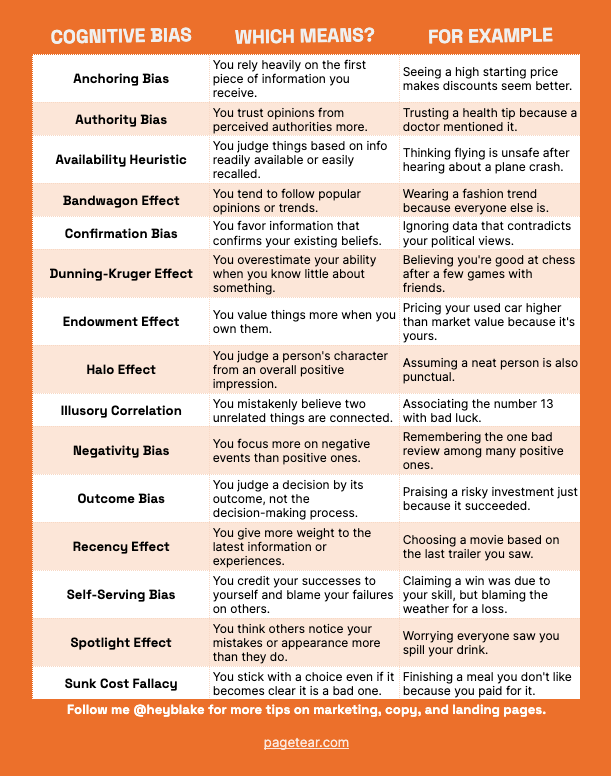
Often the term “code” is used to mean “a word or short phrase that symbolically assigns a summa- tive…attribute for a portion of language-based or visual data” (Saldana, 2009, p. 3), and it is often understood that the process of coding is both systematic (Geisler, 2018) and iterative (Saldana, 2009).
The purpose of coding is to give structure to data so that you can see patterns and gain deeper understanding of the data. Here are some of the the common approaches to coding with their pros and cons.
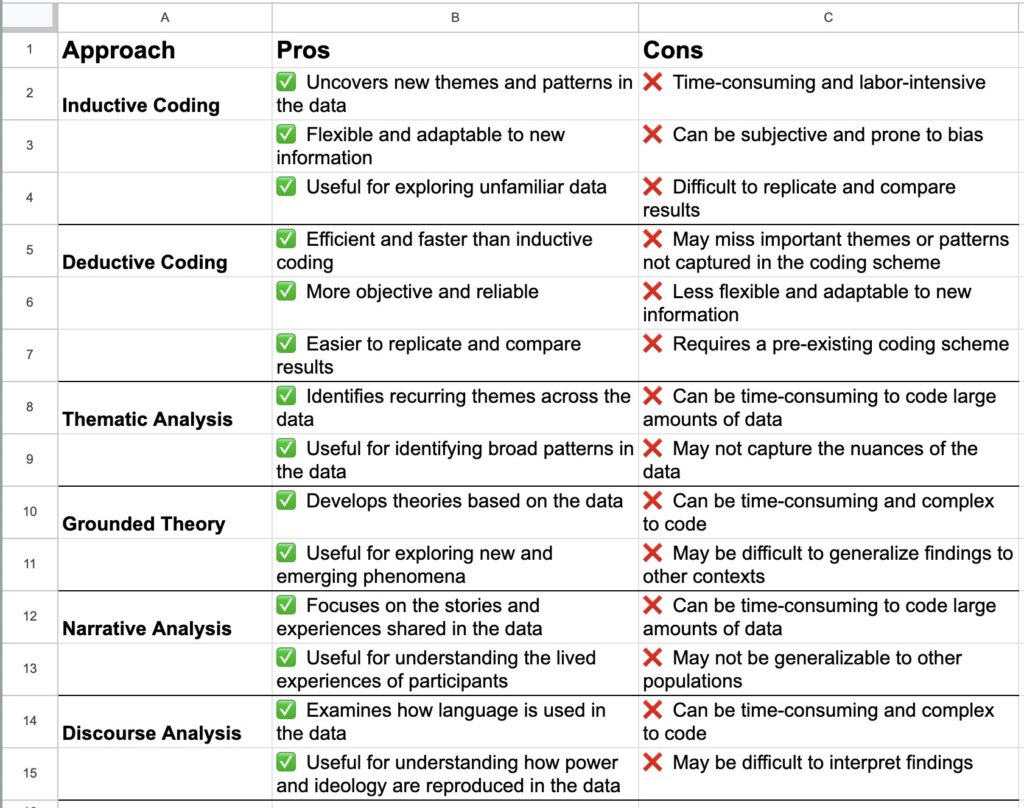
What this tells you is that coding data is time consuming. There are no real shortcuts, though, there are some research tools that can help you with the analysis. Please know that with the rise of LLMs that sure you can dump a lot of your data into one and have it “help” you to organize it.
But first, unless your participants gave you permission to use their data in that way there is an ethical issue with you taking any data from participants and putting it into an open tool that does keep their data confidential. Second, you are likely missing out on the richness and nuance of the data. Part of the knowledge making enterprise is rooted in surprises and seeing things that are unexpected. You cannot wholly do that if you offload what may seem as grunt work to a tool rather than grappling with the data yourself. If you want to do “big data” then that is quantitative work and absolutely, you’ll need to use different and more robust tools. But for qualitative research, much of the reason to do it is to embed yourself in it to find patterns and information that work toward answering your own questions.
Back to the issue of codes or coding…the biggest question new researchers will ask is where do the codes come from. Well, they come from you. They come from your understanding of the data or come from the structure of the research that generated the data. For example, interview questions themselves can become a theme or a code for the data. Generic conventions of texts can potentially be codes or aspects of rhetorical theory (such as ethos or chronos) will become a code. This is why a researcher has to read and work the data to begin to understand what themes are present or what ones may materialize (if using grounded theory or inductive coding). It can be freeing as a researcher to develop the codes and then explain them because they illustrate what you know about the data.
Some key things to ask yourself as you are working with a data set, a corpus, or group of artifacts:
- what data are here that relates directly to my question?
- how might I explain this data to others? (as it relates to my question)
- are their sub-categories or areas within the larger ones?
- what does this outlier tell me about my question?
- what else is interesting here?
- what additional questions for future research can I see here?
These are just some sample questions to get you thinking about the data not determine what is common in the data, what is uncommon in it, and what, if anything, doesn’t fit into either common/uncommon.
Resources
Saldaña, J. (2009). The coding manual for qualitative researchers. Sage.
Geisler, C. (2018). Coding for complexity: The interplay among methodological commitments, tools, and workflow in writing research. Written Communication, 35(2), 215-249.
Geisler, C., & Swarts, J. (2019). Coding streams of language. The WAC Clearinghouse; University Press of Colorado. https://doi.org/doi.org/10.37514/PRA-B.2019.0230
Carradini, Stephen, & Jason Swarts. (2023). Text at Scale: Corpus Analysis in Technical Communication. The WAC Clearinghouse; University Press of Colorado. https://doi.org/10.37514/TPC-B.2023.2104
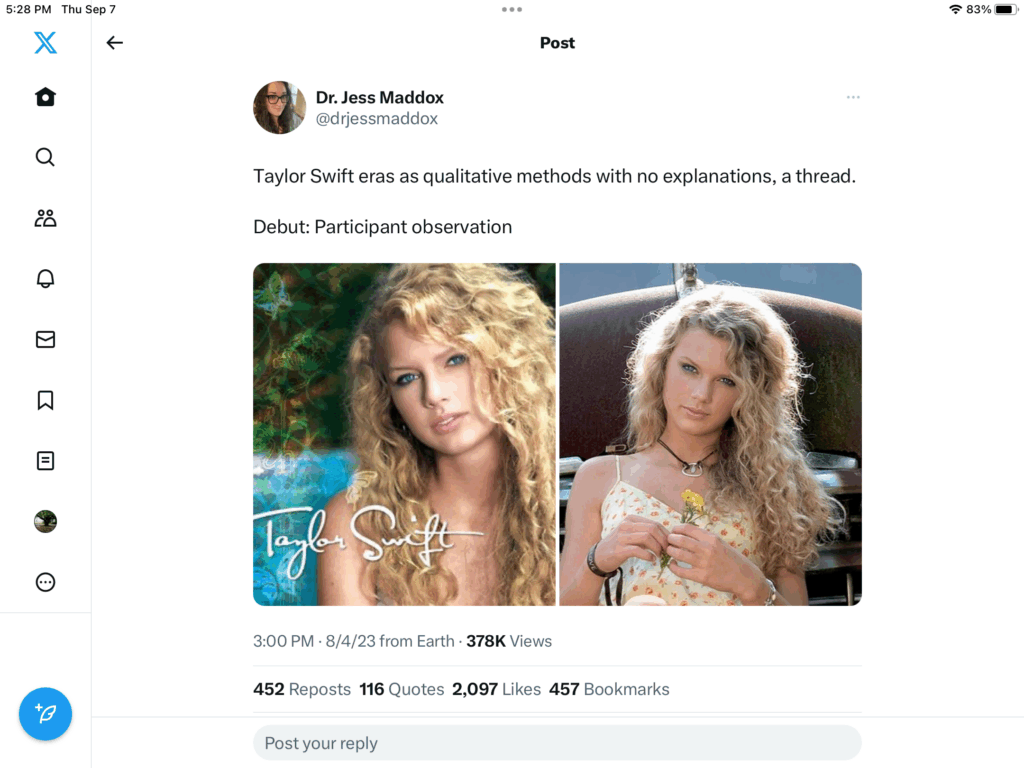
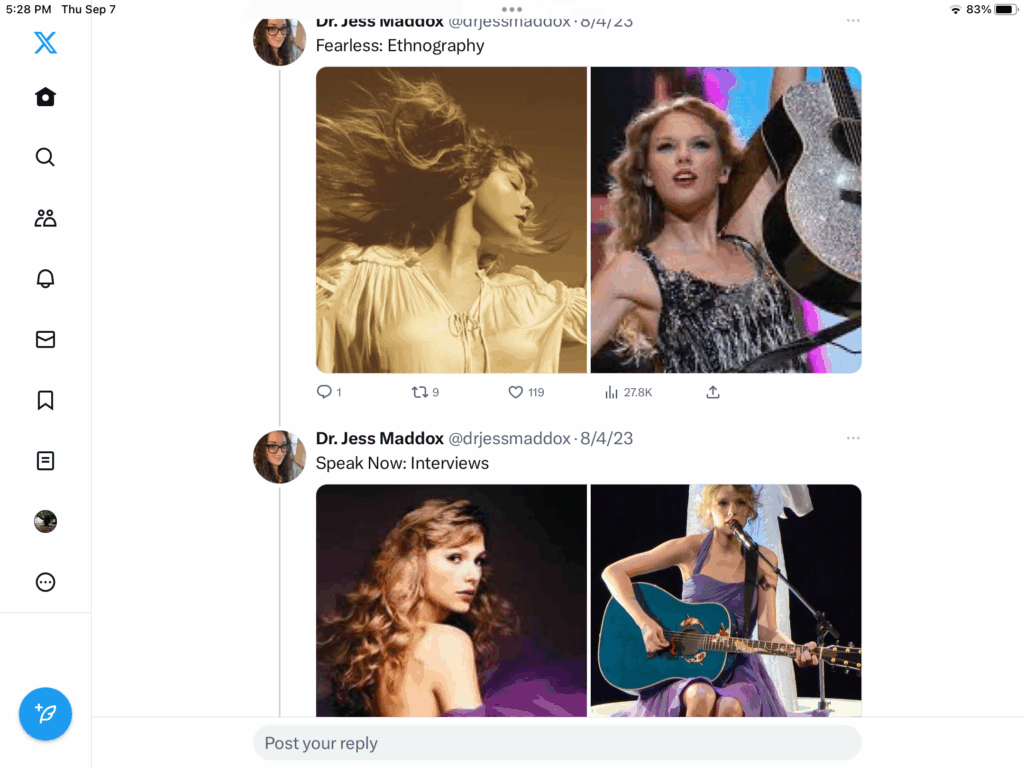
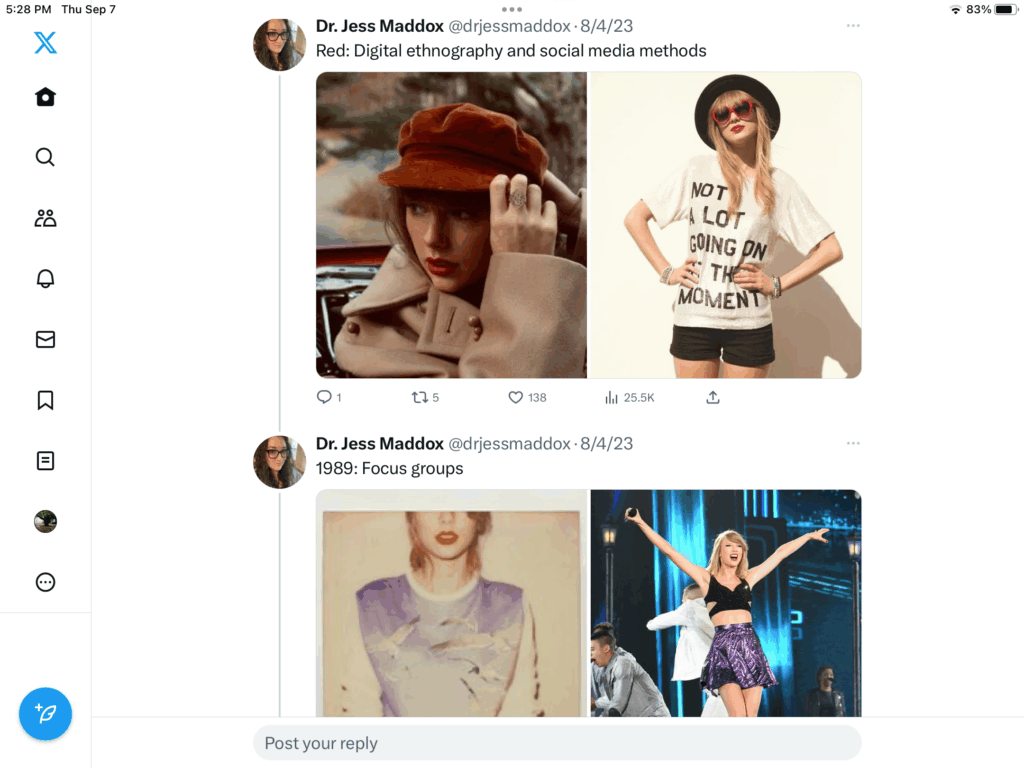
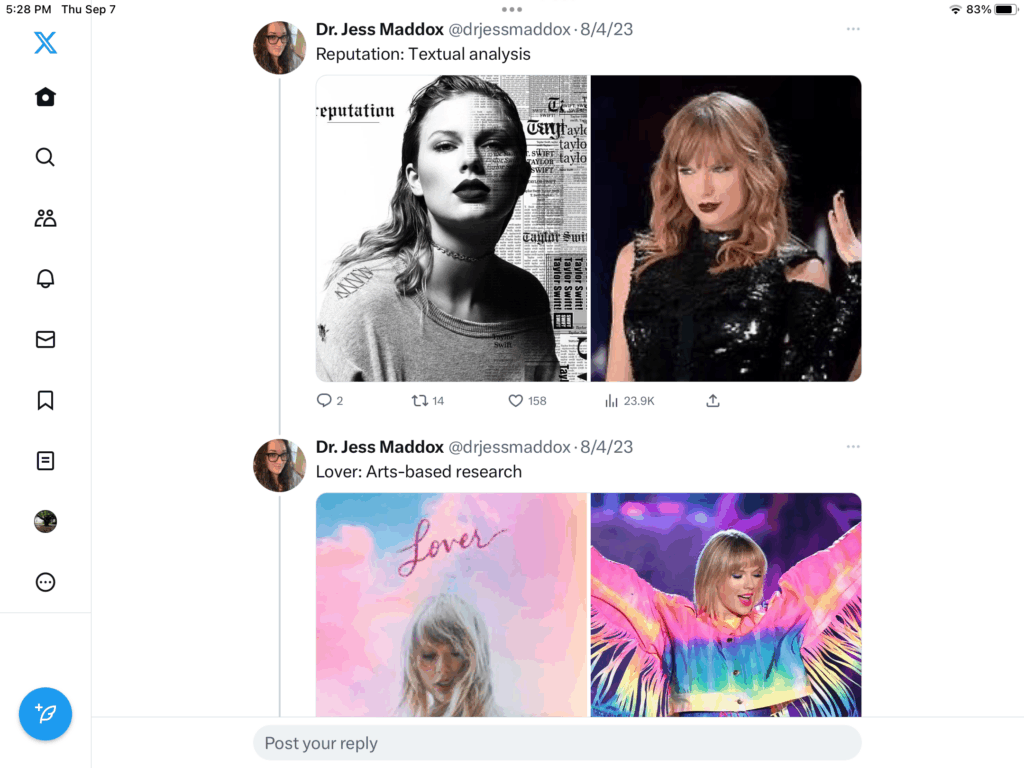
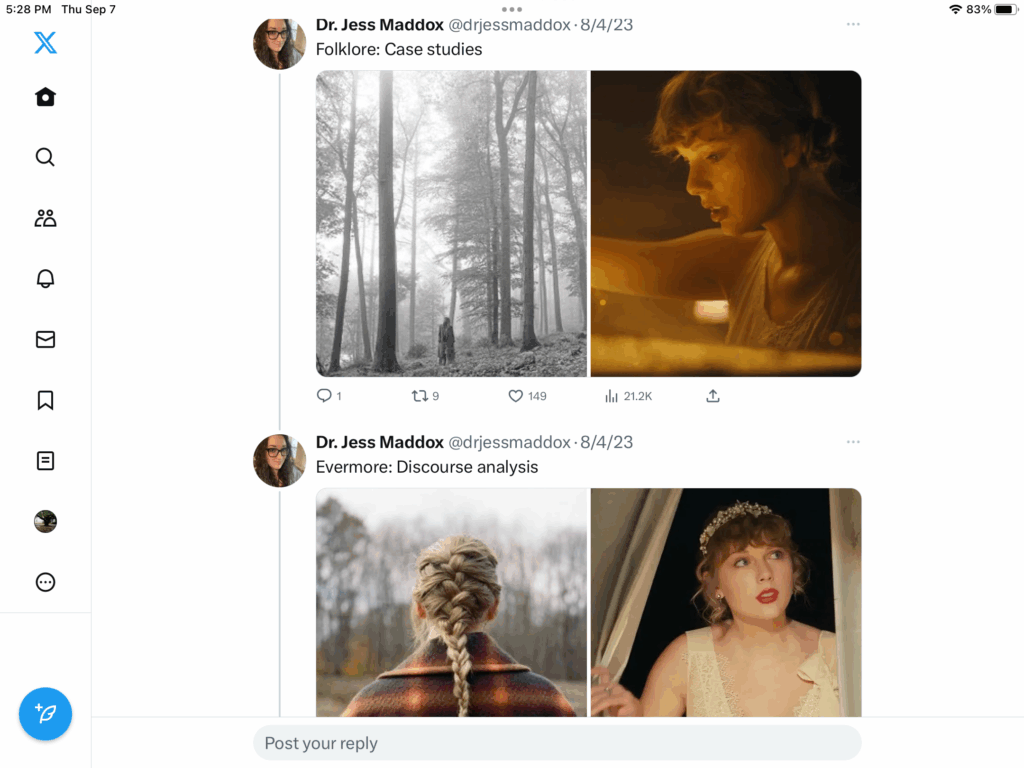
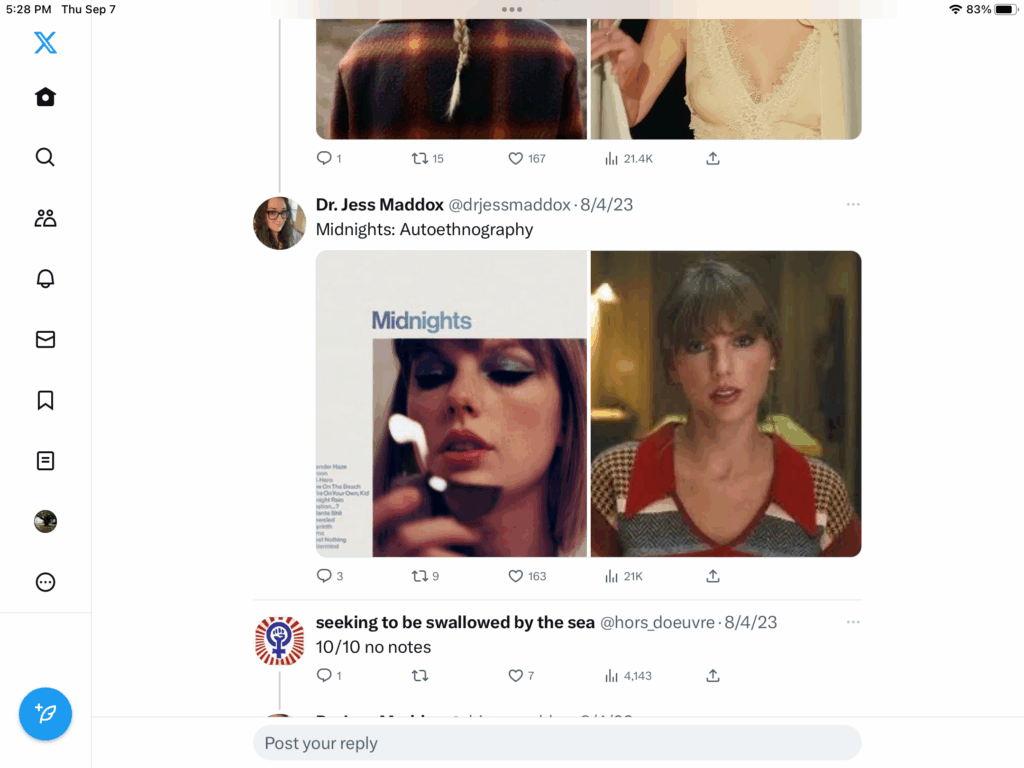
 I do appreciate this brief and fairly accurate reference to the common biases that can occur in research.